
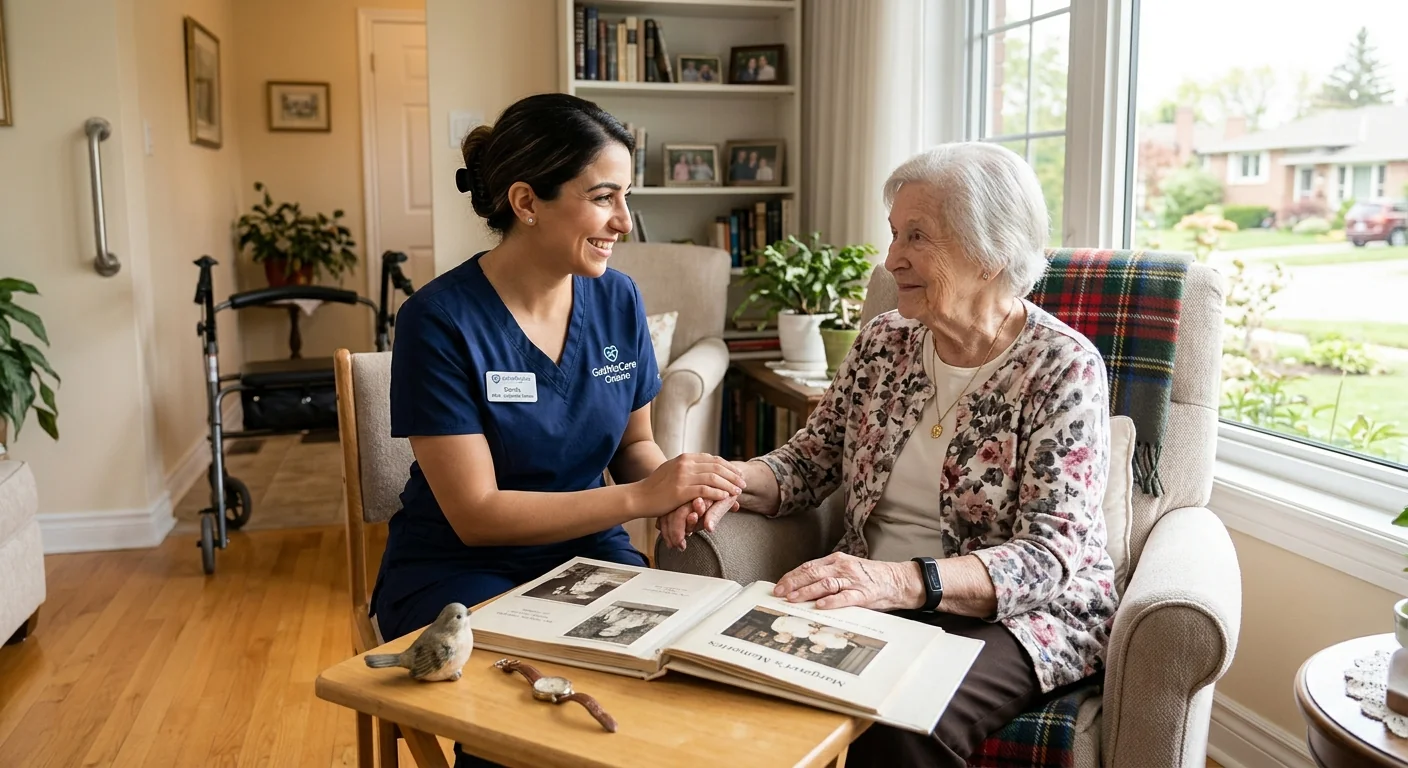
Navigating a progressive cognitive diagnosis like Alzheimer’s disease, Lewini body dementia, or vascular dementia is one of the most structurally and emotionally challenging journeys an Ontario family can face. In the current healthcare landscape, public home care networks are facing unprecedented staffing constraints. Consequently, the responsibility of managing daily safety, behavior redirection, and clinical support frequently shifts onto unpaid family members.
When cognitive decline advances past initial stages, family
caregivers quickly face severe physical and emotional burnout. Seeking
immediate operational relief, family decision-makers often turn to search
engines to locate specialized, localized independent support. They use
targeted, transactional search phrases such as "dementia home care
services Toronto" or "private Alzheimer's care near me"
to bypass traditional institutional waiting lists and secure immediate safety
intervention.
Understanding the progressive clinical milestones of
dementia, organizing a safe environment, and managing the legal parameters of
direct hiring are vital steps to ensure your loved one receives dignified care
while protecting your household budget.
The Behavioral and Clinical Milestones: When Urgent
Intervention is Required
Dementia is not a static condition; it is a progressive neurological transition that changes an individual's safety baseline over time. For many households, the shift from family-managed care to hiring a private professional is triggered by specific behavioral milestones. When these safety vulnerabilities occur, family employers often search for specific care models by typing queries like "overnight dementia care caregiver" or "emergency psw for senior confusion."
There are three major behavioral patterns that require
immediate professional supervision:
1. The Complexities of Sundown Syndrome
As late afternoon approaches, many individuals experiencing
dementia experience a severe increase in confusion, agitation, anxiety, and
pacing. This clinical phenomenon, known as Sundowning, heavily disrupts the
household routine.
When an elderly parent becomes disoriented or combative before bedtime, family members quickly experience sleep deprivation. This increases the demand for targeted long-tail searches like "night shift caregiver for dementia" and "24 hour senior home care Mississauga" to keep an active professional awake for overnight monitoring.
2. Wandering Patterns and Spatial Disorientation
Progressive cognitive decline impairs the brain's spatial
processing centers. A senior may suddenly decide to "go to work" or
"go home" to a house they lived in decades ago, walking out the front
door into unsafe winter conditions.
To prevent life-threatening wandering incidents, family coordinators require immediate, specialized support, often searching for "vetted memory care caregiver Brampton" to implement proactive visual anchors and exit-tracking interventions.
3. Progressive Failure in Activities of Daily Living
(ADLs)
In the moderate-to-severe stages of cognitive decline,
individuals lose the executive function needed to perform basic self-care tasks
safely. Forgetting to turn off a stove, mismanaging medication dosages, or
resisting basic personal hygiene routines can cause immediate physical risks.
When these risks compound, families hunt for specialized
clinical support by typing "hands on psw for senior personal
hygiene" to preserve the senior's health, safety, and dignity.
Constructing a Safe Environment: Proactive In-Home
Interventions
When a certified independent Personal Support Worker (PSW)
enters an Ontario residence for a specialized dementia assignment, their first
step is conducting a thorough environmental risk assessment. Families can
actively prepare their households and research supportive strategies by looking
up phrases like "in home fall prevention for seniors" or "dementia
safety home modifications."
A professional independent caregiver uses validated
cognitive redirection strategies to de-escalate agitation without relying on
physical or chemical restraints. For instance, rather than arguing with an
ungrounded orientation statement, a specialized caregiver validates the
senior's underlying emotional state and gently transitions their focus toward a
comforting task, such as listening to familiar music or folding warm laundry.
Direct Marketplace Sourcing: Secure Infrastructure for
Family Employers
To secure these highly specialized skill sets without paying
the premium overhead margins of traditional agencies, modern Ontario families
are utilizing transparent digital platforms. Registries like getmecare-ontario.com
allow family care seekers to review the real-world experience, verified
profiles, and hourly rates of independent dementia care professionals directly.
When sourcing an independent provider, families can protect their homes and loved ones by ensuring their selection process matches the standard safety frameworks of premium registries. If you are searching Google for a "vetted private caregiver near me" or looking to "hire independent psw Richmond Hill," your onboarding workflow must enforce these three compliance rules:
- Inspection
of a Vulnerable Sector Check (VSC): A standard background check is
insufficient for memory care. Ensure the independent provider possesses a
valid Ontario Vulnerable Sector Check issued within the last 12 months to
confirm full safety compliance.
- Verification
of Specialized Dementia Credentials: Review educational documents to
confirm the caregiver has completed advanced training modules, such as the
Gentle Persuasive Approaches (GPA) framework or specialized
dementia care certificates from an accredited Ontario college.
- Written
Private Care Agreements: Protect both parties by outlining all shift
parameters, explicit hourly rates, behavior management expectations, and
strict medical confidentiality clauses in writing before care begins.
By shifting to an administrative direct-hire model via getmecare-ontario.com,
families can secure specialized, high-tier dementia care for a competitive
market rate of $25.00 to $31.50 per hour. Because the independent PSW
retains 100% of their stated hourly fee, they stay highly dedicated, providing
consistent, compassionate support that preserves your loved one’s dignity at
home.



No comments yet. Be the first to share your thoughts!